


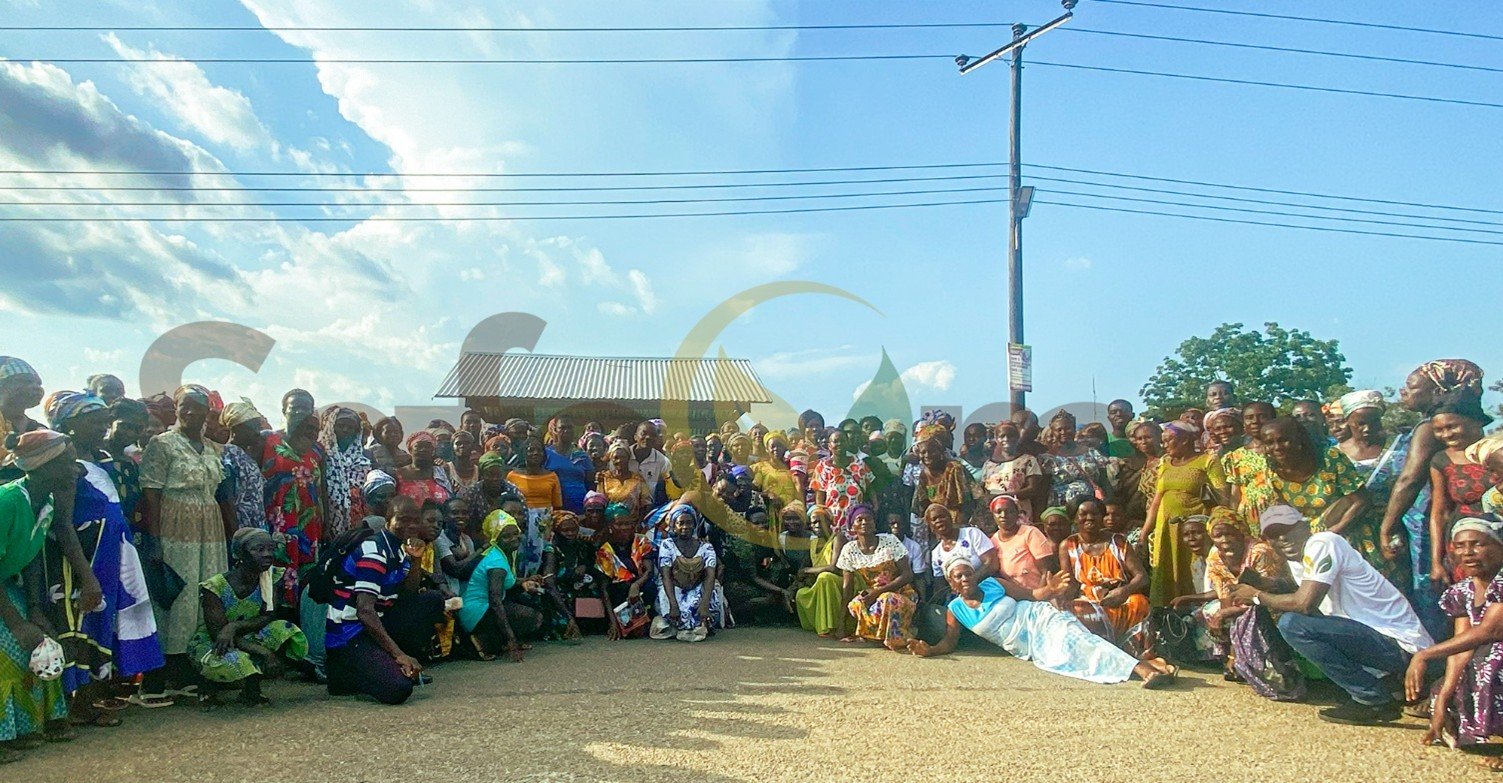
When we talk about rural development, people usually think of roads, markets, and farm supplies. However, there is another type of infrastructure that is just as vital: healthcare that fits the realities of rural life.
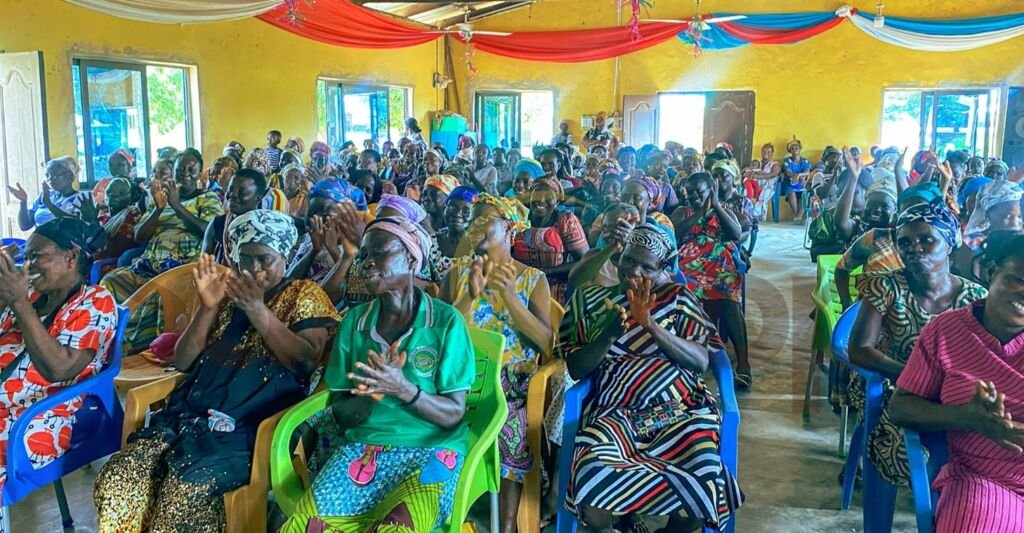
Last month, SafeCrop ran a breast cancer awareness and health screening campaign in our operational communities. This initiative was designed for our rural communities. Here’s why.
In rural Ghana, the average distance to a health facility is 30 kilometers. That’s not a commute; it’s a full day’s journey. By the time you walk or find transportation, wait in line, see a doctor, and return home, you’ve lost a whole day of work.
For a cocoa farmer who earns $2-$5 per day, this is more than just an inconvenience. It’s economically impossible. As a result, people ignore symptoms. They self-medicate. They consult herbalists. They wait until conditions become critical – and by then, it’s often too late.
This isn’t exactly a resource problem. Ghana has clinics. We have trained health workers. We have medication. However, the system was designed for urban populations – people with transportation, flexible jobs, and disposable income. Rural communities? They were an afterthought. When we say we work for stronger cocoa communities, we mean more than just better trees or higher yields. Healthy people are the backbone of sustainable agriculture. Within rural communities, women play an outsized yet under-recognized role. They are farmers, cooperative leaders, caretakers, traders, and the steady hands that hold households and local economies together. When women are sick, entire families and village economies weaken almost immediately.
The Healthcare Gap
The global health system has spent decades building clinics, training doctors, and developing treatments. However, it was designed for urban populations.
What about rural farmers? They were an afterthought.
In Ghana, for example, 66% of uninsured families can afford health coverage, yet they never enroll. Why? Because the system tells them what to do but never asks them what they need. The system builds facilities 50 kilometers away and expects exhausted farmers to show up. The insurance offered doesn’t cover the occupational hazards they actually face, such as pesticide exposure, poor air quality, and physical injuries from manual labor.
Many rural health systems were designed for different geographies and assumptions: short travel times, standard disease profiles, and households with disposable income for transport or out-of-pocket care. That model fails in villages where:
- households earn very little from seasonal crops,
- clinic visits require a day’s income for transport and lost labour,
- health workers are not always trained to detect conditions linked to rural exposures, and
- Stigma, misinformation, or previous negative experiences reduce trust in outside programs.
The result is delayed diagnosis, untreated chronic conditions, higher maternal and non-communicable disease burdens, and a slow leak of human capital from communities.
Why We Focused on Women
Here’s where it gets even more urgent: women in rural communities face double the barriers to healthcare. While rural healthcare is broken for everyone, it’s catastrophic for women.
Economic barriers hit harder:
Women farmers earn 30-40% less than men for the same work, yet carry the same healthcare costs. They are less likely to manage household finances, so even if they notice symptoms, they often cannot access cash for treatment without permission.
Time loss is extreme:
Women don’t just farm; they also manage households, care for children, cook, and fetch water. A 30-kilometer trip to a clinic means more than just a day lost. It means meals not prepared, children not cared for, and a cascade of household disruptions.
Cultural barriers restrict movement:
In many communities, women need spousal or family approval to travel for healthcare. They face social stigma for discussing reproductive health issues. Breast cancer and cervical cancer screening? These conversations rarely happen.
Health systems ignore women’s specific risks:
Rural health programs screen for malaria and TB – important, yes – but not for the conditions killing women farmers most: breast cancer, cervical cancer, pregnancy complications, and chronic pain from decades of manual labor.
The statistics are devastating:
- Breast cancer survival rates in rural Ghana are 30-40% lower than in urban areas, probably not because the disease is worse, but because it’s detected too late
- 1 in 3 rural mothers still delivers with avoidable complications at home, even when safe facility-based care exists
- Women farmers report health problems 40% more frequently than men, yet seek care 60% less often
This is why SafeCrop started with women.
What We Did Differently
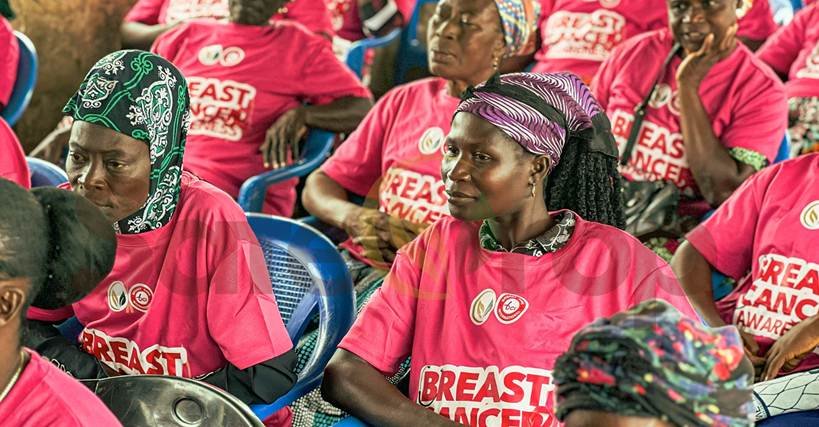
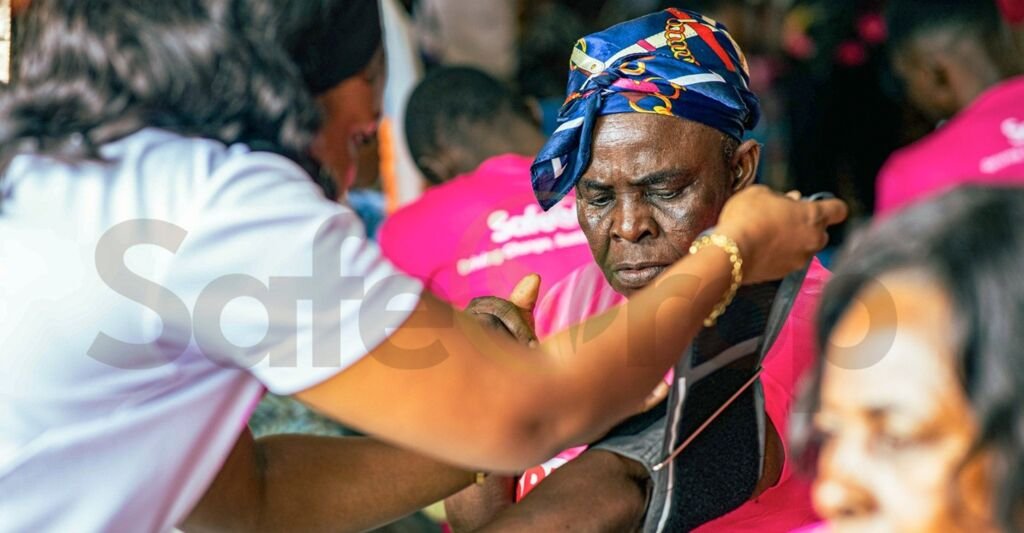
Last month, SafeCrop partnered with local health workers to provide breast cancer screenings to our farmer cooperatives, with an intentional focus on our three all-women cooperatives in Tepa and Goaso.
We didn’t ask women to come to us. We met them where they were:
- In their communities – No 30km journeys required
- With peer support, Screening happened in groups, reducing stigma
- With follow-up plans – We didn’t just screen and leave; we connected women to treatment pathways
We screened dozens of women farmers. We provided health education in Twi, their local language. We answered questions they’d been too afraid to ask. And we caught early warning signs that would have gone unnoticed for months, maybe years.
But here’s what we learned that matters most: these women don’t distrust healthcare—they distrust systems that waste their time and don’t address their real needs. When you bring care to them, they show up. When you make it relevant to their lives, they engage. When you treat them as people, not statistics, behavior changes.
Why Women-Led Cooperatives Are Key
At SafeCrop, we’ve learned something powerful: when you invest in women farmers, you invest in entire communities.
The data is clear:
- Women reinvest 90% of their income into their families: education, nutrition, and healthcare. Men reinvest around 35%.
- Women-led cooperatives have higher repayment rates, stronger governance, and better long-term sustainability
- Children of women farmers are 3x more likely to attend secondary school
Yet women farmers face the highest barriers to everything: land ownership (less than 20% of agricultural land in Ghana is owned by women), credit access, agricultural inputs, extension services, and healthcare.
We can do better. And it starts by meeting rural communities where they are.
About SafeCrop:
SafeCrop connects smallholder cocoa farmers directly to international markets while providing certification training, agricultural inputs, and community-based healthcare services. We work with 2 farmer unions with over 100 cooperatives in Ghana, including 3 all-women cooperatives, reaching thousands of farming families across Tepa, Goaso, Dunkwa, Assin Fosu, Akim Oda, and surrounding communities.
Follow SafeCrop for more stories from the farm – the real, unfiltered truth about agriculture, sustainability, and the people who feed the world.
