


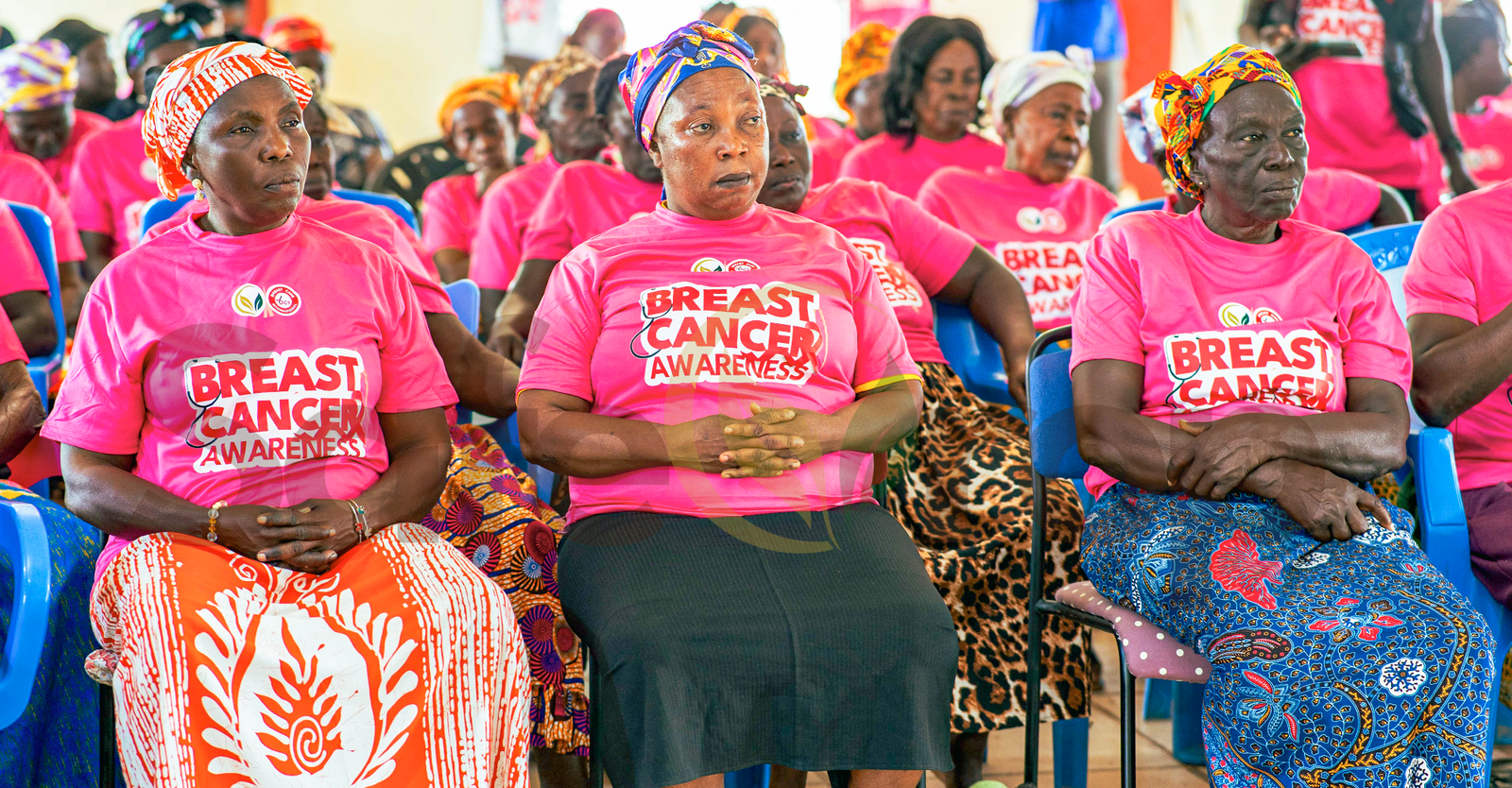
On 8th and 15th October 2025, SafeCrop partnered with Breast Care International (BCI). In Subonpang, near Tepa, and at Gold Coast Camp, near Assin Fosu, over 300 people gathered – not for a harvest celebration or market day, but for an equally vital event: a breast cancer education and screening session.
By the end of the two-day event, 219 women had received professional clinical breast examinations. Four cases were identified for further medical evaluation. Hundreds of farmers – women and men – walked away with knowledge that could save their lives and the lives of their loved ones.
This is the story of what happens when healthcare meets people where they are. When corporate responsibility moves beyond rhetoric and becomes action. When public-private partnerships demonstrate what’s possible.
This is SafeCrop’s Breast Cancer Awareness and Health Screening Initiative, and its results prove a simple truth: providing healthcare in rural areas works.
The Problem We Set Out to Solve
The statistics are sobering. In Ghana, there is a significant unmet need for breast cancer screening among women, with approximately three out of four eligible women missing out on a clinical breast examination from healthcare facilities.
Furthermore, only 18.4% of Ghanaian women of reproductive age have been screened for breast cancer. Even more concerning is that living in a rural area reduces the odds of undergoing breast cancer screening by 35% compared to living in an urban area.
For women in cocoa-farming communities – our partners, and the backbone of our business – these barriers are even more pronounced. They face geographical isolation, lack of time due to managing farms and households, and limited awareness of breast cancer detection and treatment.
Women who are urban and educated are relatively more knowledgeable and proactive about breast cancer than less privileged women in rural communities. The result? Young women commonly present with advanced disease and poor prognostic outcomes.
However, research tells us that one in eight women is likely to be diagnosed with breast cancer during her lifetime. In Ghana, about 5,000 new cases are recorded annually, and sadly, half of those diagnosed die, largely due to late detection and financial hardship.
The tragedy is that breast cancer is curable when detected early. The challenge lies in ensuring that women in rural areas have access to early detection services.
That’s exactly what we set out to change.
Our Approach: Partnership, Not Paternalism
When planning this initiative, we rejected the top-down, fly-in-fly-out approach that is all too common in corporate social responsibility. Instead, we established a genuine partnership with Breast Care International (BCI), Ghana’s leading breast cancer advocacy and care organisation.
Dr Beatrice Wiafe Addai, President of BCI and CEO of Peace and Love Hospitals, contributed her medical expertise and her deep understanding of the cultural and social factors affecting breast health in rural Ghana. Rather than just conducting screenings, her team educated, listened to, and addressed the misconceptions preventing women from seeking care.
We chose two communities strategically:
Subonpang, near Tepa (Ahafo-Ano North District) – Home to members of Anidaso Mmaa, one of our all-women cooperatives. This community exemplifies the women’s leadership we’re committed to supporting.
Gold Coast Camp, near Assin Fosu (Assin North District) – A cocoa-farming community where SafeCrop has deep operational roots and strong relationships with local farmers.
Our goal was simple: bring world-class breast cancer screening services directly to women who would otherwise never access them.
What We Did: Education Before Examination
Both events followed the same thoughtful structure, recognizing that effective healthcare delivery in rural communities requires more than medical services—it requires trust-building, education, and cultural sensitivity.
The Educational Component
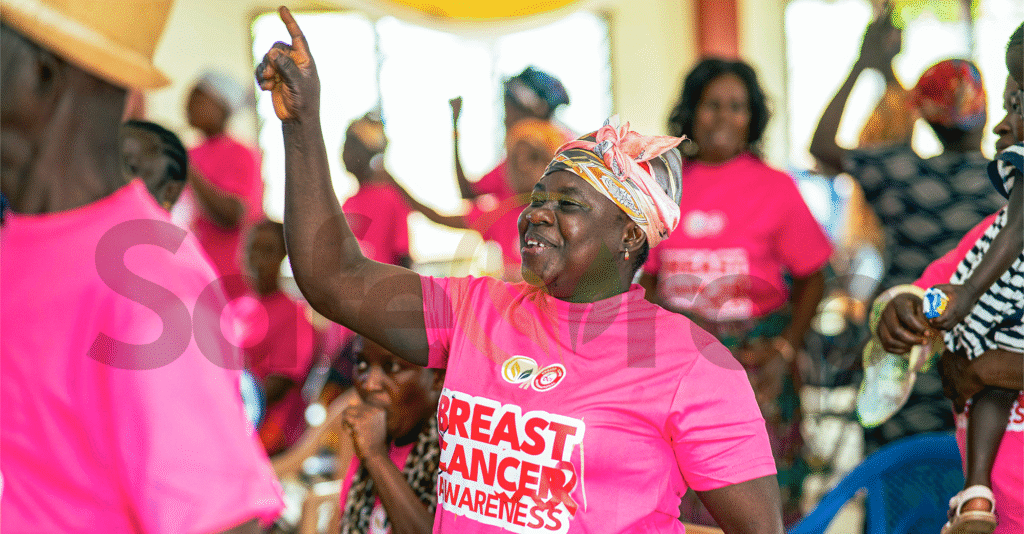
Dr. Beatrice Wiafe Addai delivered comprehensive talks on “Breast Cancer Awareness, Early Detection and Treatment.” But this wasn’t a lecture—it was a conversation.
Participants asked questions about myths surrounding breast cancer. They voiced fears about treatment. They discussed traditional beliefs and hesitations about seeking modern medical care. The BCI team addressed each concern with empathy and evidence.
Key messages emphasized:
- Breast cancer is curable when detected early
- Unusual changes in breasts should be reported immediately to qualified health professionals
- Self-examination practices can be lifesaving
- Treatment is available and effective for early-stage disease
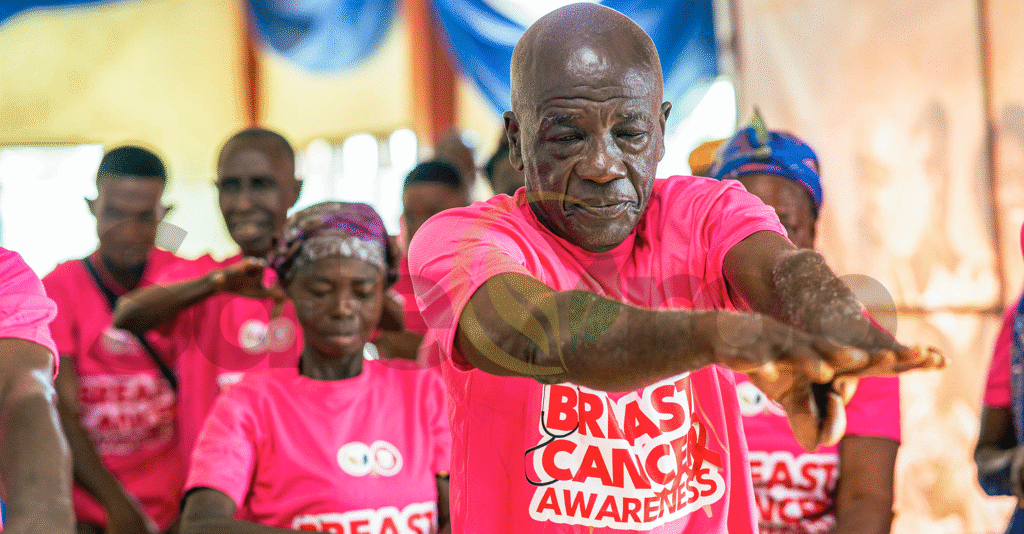
Importantly, men were actively included in these sessions. Because many women take advice from others and rely on traditional medicine instead of going to the hospital, often realizing too late that they have breast cancer, engaging male partners in breast health education is critical.
The Screening Process
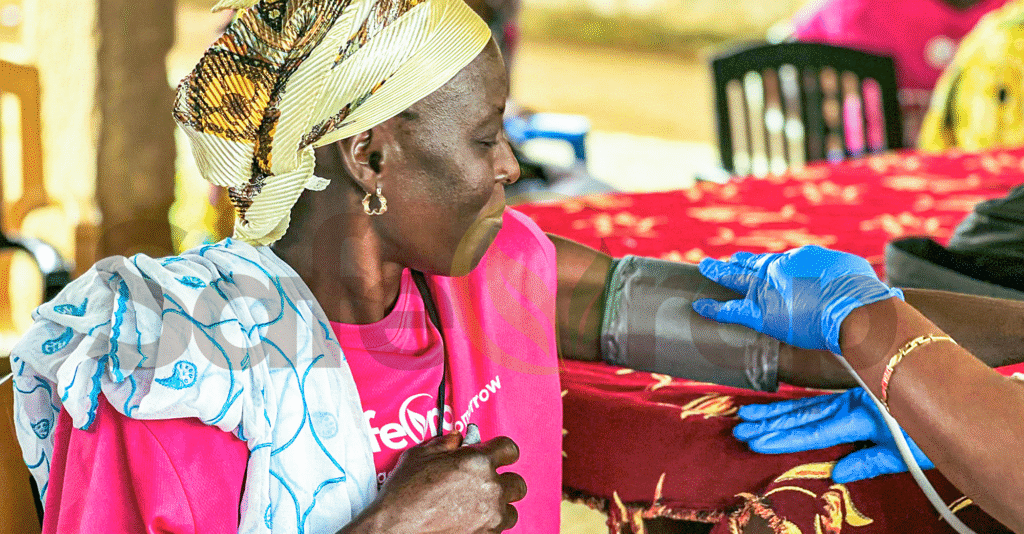
Following education, BCI’s medical team conducted free clinical breast examinations for women participants. This wasn’t rushed or impersonal. Each examination was thorough, professional, and conducted with dignity.
Women who needed further evaluation received immediate guidance and referral information. The message was clear: we don’t just identify problems, we connect you to solutions.
Follow-up pathways were explained. Contact information was provided.
This was healthcare delivery designed for the realities of rural life.
The Results: Data That Tells Stories
Subompang Screening (October 8, 2025)
- Total Participants: 160
Women Screened: 99
Gold Coast Camp Screening (October 15, 2025)
Total Participants: 146
Women Screened: 120
Combined Impact
Total Reach: 306 participants
Total Women Screened: 219
Total Cases Identified: 4
Communities Served: 8
Partners Engaged: Breast Care International, local cooperatives, community leaders
Our Commitment to Women-Led Cooperatives
This initiative reflects SafeCrop’s broader commitment to supporting women farmers, particularly through women-led cooperatives like Anidaso Mmaa, Cocoa MMAA, and Assinman Women.
We recognize that women in cocoa farming face unique challenges—and that addressing those challenges requires intentional, sustained effort. Health barriers disproportionately affect women farmers because of their dual responsibilities managing farms and households, cultural norms around healthcare-seeking, and gender disparities in resource allocation.
By prioritizing women’s health interventions in communities where our women-led cooperatives operate, we’re signaling that our support extends beyond farm-level training to comprehensive wellbeing.
We’re also demonstrating that investing in women creates multiplier effects. When women control additional income and have improved health, they tend to allocate more resources toward children’s health and wellbeing. Healthy women farmers are more productive farmers, better business leaders, and stronger community anchors. Our partnership with women-led cooperatives isn’t symbolic—it’s strategic. These cooperatives are proving that women can lead, innovate, and drive agricultural transformation. Ensuring their health is ensuring the sustainability of that leadership.
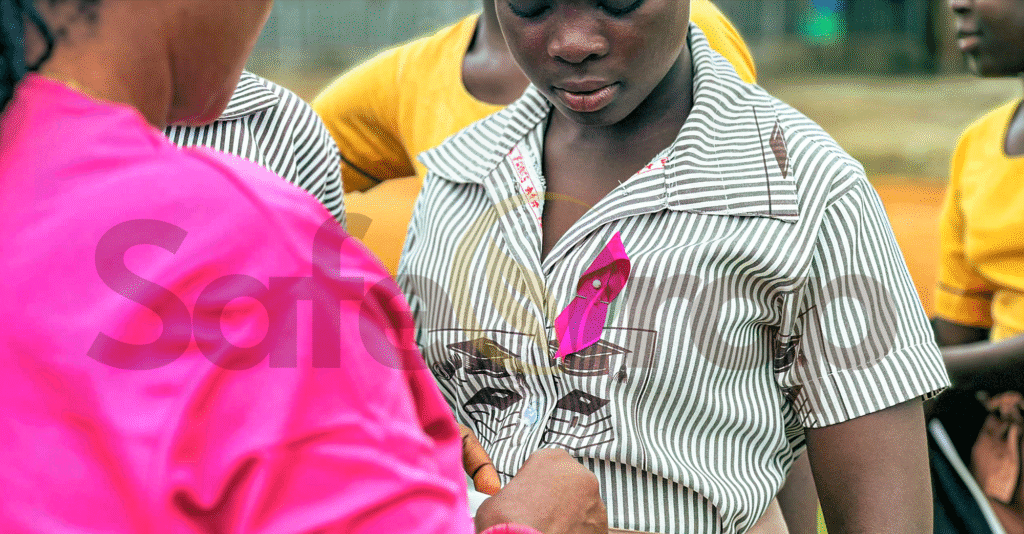
This initiative reflects SafeCrop’s commitment to supporting women-led cooperatives including Anidaso Mmaa, Cocoa MMAA, and Assinman Women. Our vision: agricultural development that recognizes women’s leadership, addresses women’s barriers, and creates pathways for women to thrive, in health and in business.
